
Thursday, 12 March 2026

Environmental data for Northern Ireland shows both progress and challenges in the region’s green transition. This definitive collection of environmental data from Northern Ireland provides sustainability professionals with crucial metrics on emissions, renewable energy adoption, waste management performance and biodiversity statistics across all eleven council areas. Northern Ireland’s sustainability landscape presents unique opportunities and challenges […]
Environmental data for Northern Ireland shows both progress and challenges in the region’s green transition. This definitive collection of environmental data from Northern Ireland provides sustainability professionals with crucial metrics on emissions, renewable energy adoption, waste management performance and biodiversity statistics across all eleven council areas.
Northern Ireland’s sustainability landscape presents unique opportunities and challenges within the UK and all-island context. With a population of 1.9 million and over 75,000 businesses, the region balances industrial heritage with ambitious environmental targets. This comprehensive analysis of environmental data Northern Ireland provides essential metrics for sustainability professionals, business leaders, and policy makers navigating the region’s green transition.
The All-Ireland Sustainability Network brings together organisations from Belfast to Derry, from manufacturing giants to innovative SMEs, all working toward shared environmental goals. These statistics reflect the collective progress and remaining challenges our 600+ members address daily.
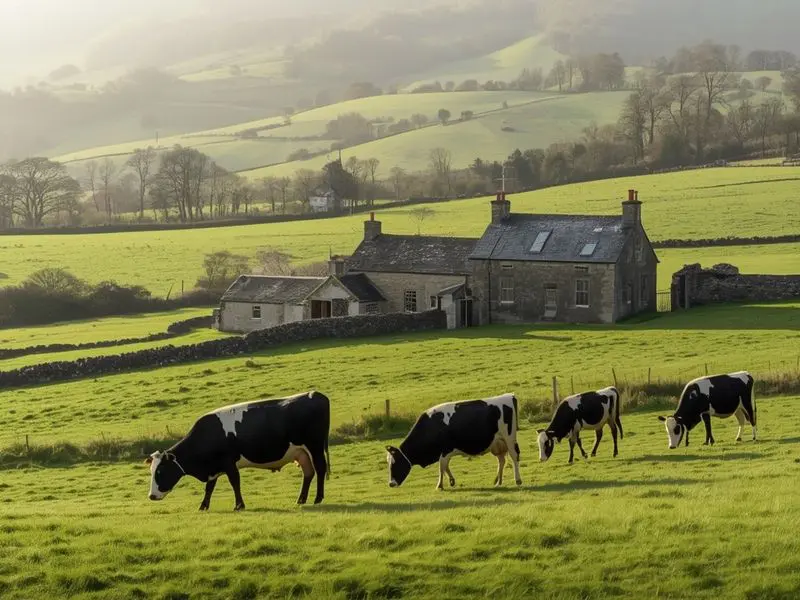
Environmental data Northern Ireland reveals total emissions of 20.9 million tonnes CO2 equivalent, representing approximately 4.5% of total UK emissions. The sectoral distribution reveals distinct regional characteristics:
Emissions by Sector (2024):
Agriculture’s prominence – compared to 10% UK average – shapes Northern Ireland’s unique decarbonisation pathway. Our member organisations across the agri-food sector are pioneering solutions shared through All-Ireland Sustainability’s knowledge exchange programmes.
Northern Ireland’s emissions have decreased 23% since 1990 baseline:
The Climate Change Act (Northern Ireland) 2022 mandates:
Current trajectory achieves only 35% reduction by 2030, highlighting the acceleration needed across all sectors.
Research across Northern Ireland businesses reveals varying sustainability maturity:
Large Businesses (250+ employees):
SMEs (10-249 employees):
Micro Businesses (<10 employees):
This implementation gap drives membership growth in our SME and Individual tiers, providing accessible expertise and peer support for smaller organisations.
Northern Ireland sustainability investments totalled £487 million in 2024:
Return on investment data from our network members shows:
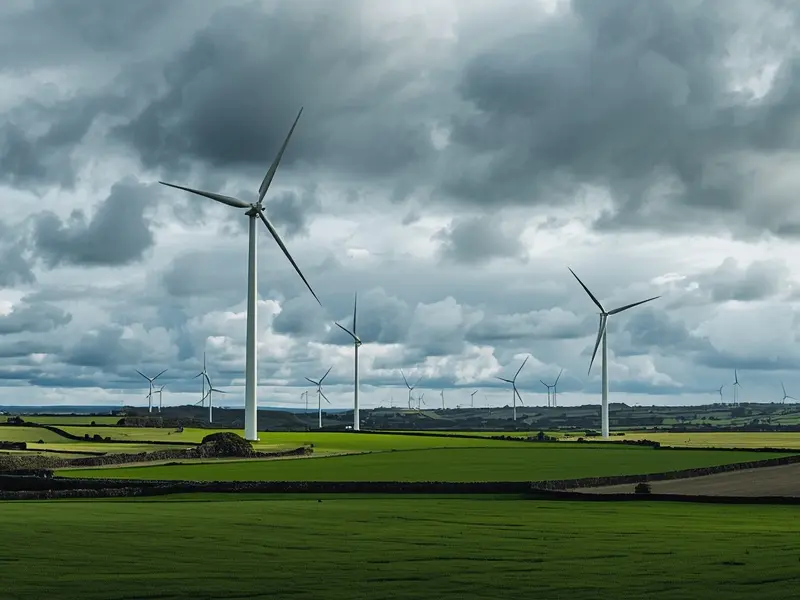
Northern Ireland’s electricity generation shows rapid renewable growth:
Current Generation Sources:
Total renewable electricity: 34.3% (2024) Target: 80% by 2030
Installed Capacity:
Untapped renewable resources present significant opportunities:
These opportunities feature prominently in our Summit discussions, connecting developers with corporate energy buyers through our Leadership Circle network.
Northern Ireland generates 5.1 million tonnes of waste annually:
Waste by Source:
Treatment Methods:
Landfill rate remains above UK average (8.5%), representing both challenge and opportunity for circular economy innovation.
Material-specific recycling performance:
Northern Ireland’s overall recycling rate of 50.1% exceeds UK average (44.1%) but falls short of leading European regions (>65%). Our member organisations showcase best practices achieving 70%+ diversion rates through innovative approaches shared at networking events.
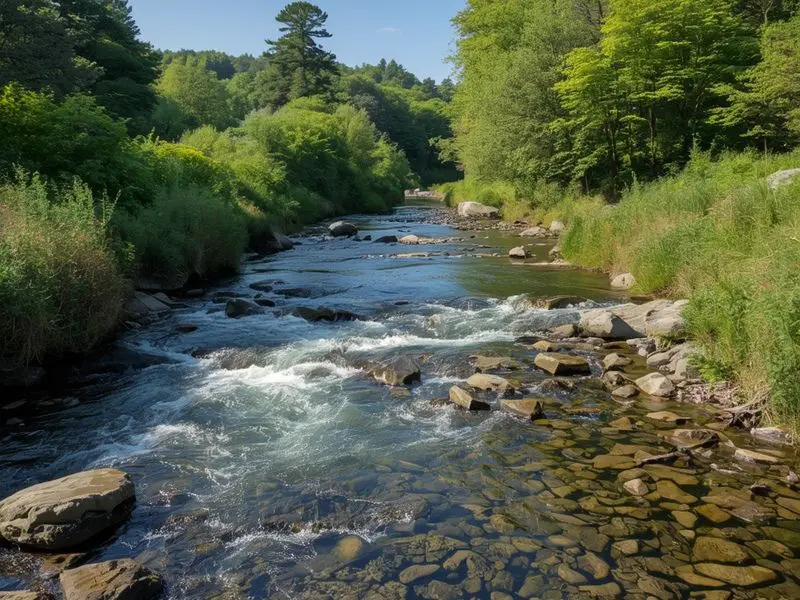
Environmental data Northern Ireland water statistics show:
Ecological Status:
Agricultural runoff impacts 68% of failing water bodies, driving collaboration between environmental groups and farming organisations within our network.
Business water usage patterns:
Water efficiency improvements since 2020:
Members report average 26% water cost savings through efficiency measures shared in our resource library.
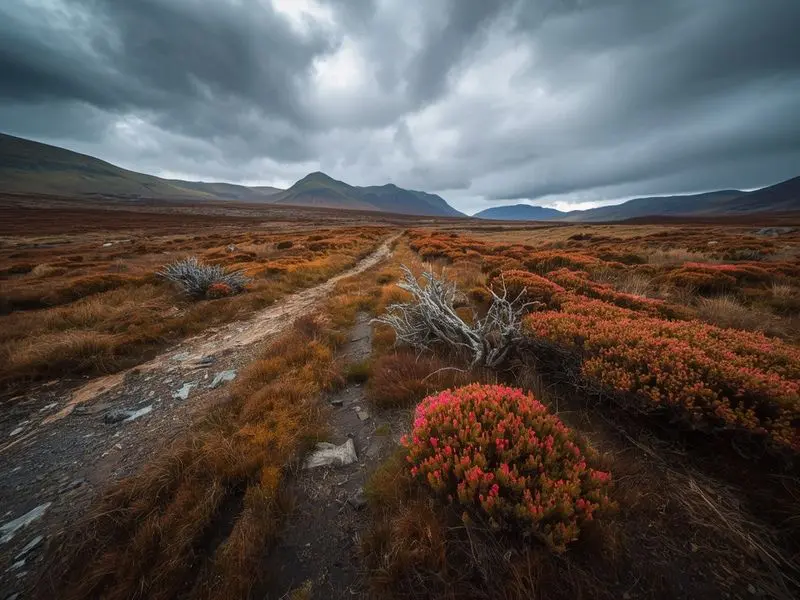
Northern Ireland’s biodiversity statistics:
Total protected area: 11.4% of land surface
Priority Habitats:
Business engagement with nature:
Our Biodiversity Initiative Award winners demonstrate measurable improvements, from pollinator gardens to peatland restoration, inspiring replication across the network.
Northern Ireland’s green economy employs approximately 32,400 people:
Sector Distribution:
Growth rate: 7.8% annually (2020-2024) Projected jobs by 2030: 56,000
Critical skills gaps identified:
Average salary premiums for green skills: 12-28% above traditional roles
This skills shortage drives participation in our professional development programmes, with members accessing exclusive training and networking opportunities.
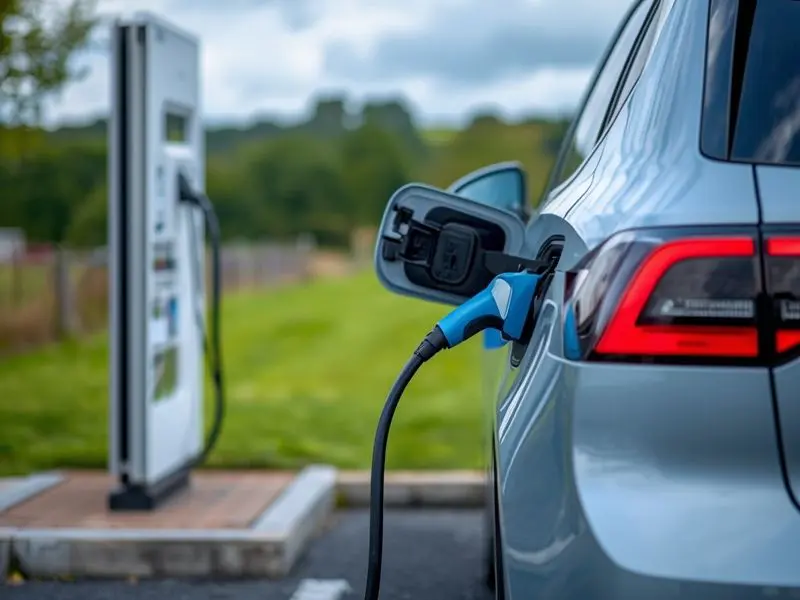
Northern Ireland’s transport transformation:
Current Vehicle Fleet:
EV Infrastructure:
Transport mode distribution:
Transport emissions intensity:
Members in our Transport Working Group share strategies reducing fleet emissions by average 32% through electrification and route optimisation.
Energy Performance Certificate distribution:
Average commercial building energy consumption: 215 kWh/m²/year Best practice (our member achievements): <100 kWh/m²/year
Housing stock energy performance:
Fuel poverty affects 22% of households, driving social sustainability initiatives among our charity and public sector members.
Manufacturing represents 16.1% of Northern Ireland’s economy:
Sustainability Adoption:
Manufacturing improvements since 2020:
Leading manufacturers in our network achieve 40-50% better resource efficiency than sector averages through best practice sharing.

Regulatory enforcement data:
Upcoming Regulations Impact:
Our members receive early insight and preparation support through exclusive policy briefings and compliance workshops.
Performance across 11 council areas varies significantly:
Top Performers (emissions reduction since 2015):
Renewable Energy Leaders (% renewable electricity):
All 11 councils participate in All-Ireland Sustainability initiatives, sharing strategies through our public sector forum.
Green finance activity in Northern Ireland:
Funding Sources:
Access to finance remains the second-highest barrier for SMEs (after skills), addressed through our member funding workshops and investor connections.
Based on current environmental data Northern Ireland policies and commitments:
Likely to Achieve:
Significant Gaps:
These gaps represent opportunities for innovation and collaboration – exactly what All-Ireland Sustainability membership facilitates.

Northern Ireland’s sustainability data reveals clear patterns: progress is accelerating but remains insufficient for 2030 targets. The organisations closing these gaps – our members – succeed through collaboration, knowledge sharing, and collective ambition.
Whether you’re benchmarking performance, seeking partnerships, or building your sustainability strategy, these statistics provide the foundation. But data alone doesn’t drive change – connection with those already succeeding does.
Join 600+ organisations using data to drive Northern Ireland’s green transition
Our next member webinar, “Northern Ireland Sustainability Metrics: From Data to Delivery”, provides sector-specific analysis and practical applications. Members attend free; non-members pay €95.
Data compiled from DAERA, Northern Ireland Statistics and Research Agency (NISRA), Utility Regulator NI, Invest NI, and All-Ireland Sustainability Network member reports. Updated November 2025.
Related Member Resources:
Become part of Northern Ireland’s sustainability data network
Copyright © 2026. All Ireland Sustainability
Webdesign & Development Northern Ireland 2b:creative