EU Green Deal Ireland: Transforming Business Through European Climate Policy
Understanding the EU Green Deal’s Impact on Irish Business EU Green Deal Ireland implementation fundamentally reshapes how businesses operate, compete, and grow across the island. This sweeping European framework, targeting 55% emissions reduction by 2030 and climate neutrality by 2050, translates into concrete obligations and opportunities for Irish organisations. The EU Green Deal Ireland affects […]
Green Horizons
December 4th, 2025
No Comments
Share
Facebook
Twitter
LinkedIn
Email
Understanding the EU Green Deal’s Impact on Irish Business
EU Green Deal Ireland implementation fundamentally reshapes how businesses operate, compete, and grow across the island. This sweeping European framework, targeting 55% emissions reduction by 2030 and climate neutrality by 2050, translates into concrete obligations and opportunities for Irish organisations. The EU Green Deal Ireland affects everything from carbon pricing to product design, supply chain management to financial reporting, making comprehensive understanding essential for strategic planning and competitive positioning.
The All-Ireland Sustainability Network helps 600+ members navigate EU Green Deal implementation. Through exclusive policy briefings, compliance workshops, and peer networks, our members stay ahead of regulatory changes while identifying competitive advantages within this transformative framework.
Fit for 55 Package: Core Components
Legislative Package Overview
Key Instruments Affecting Ireland:
The Fit for 55 package includes 13 revised directives and regulations:
EU Emissions Trading System (EU ETS) revision
Carbon Border Adjustment Mechanism (CBAM)
Effort Sharing Regulation (ESR)
Renewable Energy Directive (RED III)
Energy Efficiency Directive (EED)
Alternative Fuels Infrastructure Regulation
Energy Taxation Directive
ReFuelEU Aviation
FuelEU Maritime
CO2 standards for vehicles
Land Use and Forestry Regulation (LULUCF)
Social Climate Fund
Energy Performance of Buildings Directive
Irish Implementation Timeline:
2023-2024: Legislative transposition
2025-2026: System implementation
2027-2030: Full enforcement
Ongoing: Progress monitoring
2030: Target assessment
Emissions Reduction Architecture
Sectoral Coverage:
EU ETS sectors: 45% of emissions
Effort Sharing sectors: 43% of emissions
LULUCF: 12% of emissions
International transport: Newly included
Buildings and transport: New ETS from 2027
Irish Performance Requirements:
Overall reduction: 42% by 2030 (from 2005)
ETS sectors: 62% reduction
Non-ETS sectors: 30% reduction
LULUCF: -310 MtCO2e target
Renewable energy: 42.5% of final consumption
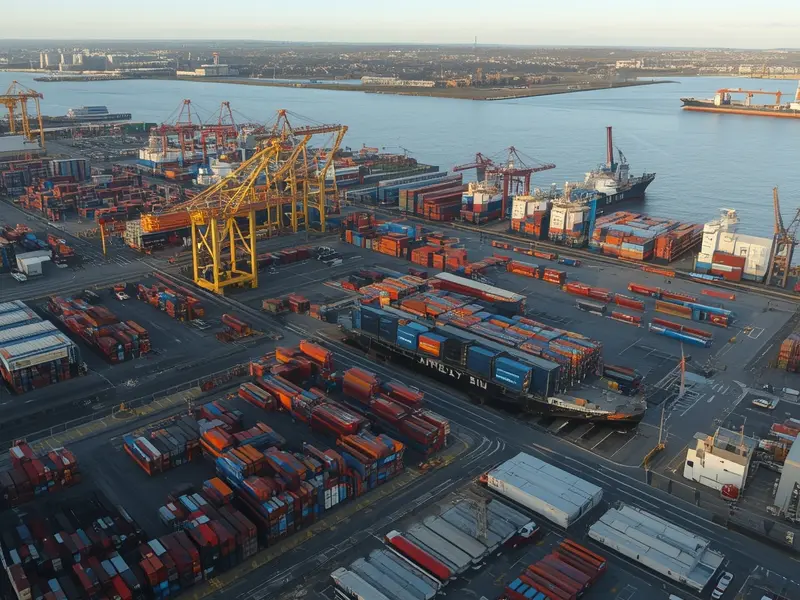
Carbon Border Adjustment Mechanism (CBAM)
Implementation Phases
Current Status:
Transitional Period (October 2023 – December 2025):
Reporting only, no financial payments
Quarterly CBAM reports required
Embedded emissions calculation
Default values available
Learning period for importers
Full Implementation (From January 2026):
CBAM certificates purchase required
Price linked to EU ETS
Quarterly surrender obligations
Financial adjustments
Compliance penalties apply
Covered Products and Impact
Initial Scope:
Cement: 847 Irish importers affected
Iron and steel: 423 companies
Aluminium: 234 businesses
Fertilisers: 67 importers
Electricity: Cross-border flows
Hydrogen: From production start
Planned Expansion (2030):
Chemicals
Polymers
Downstream products
Potentially all ETS sectors
Services under consideration
Irish Business Impact:
Import costs increase: 8-15% for covered goods
Administrative burden: €25,000-50,000 setup
Supply chain shifts: EU sourcing preference
Competitive dynamics: Level playing field
Export opportunities: Low-carbon advantage
Compliance Requirements
Data Collection:
Embedded emissions data from suppliers
Verification requirements
Default values: Conservative estimates
Actual emissions: Preferred
Documentation standards
Financial Implications:
CBAM certificate price: €80-100/tCO2 projected
Working capital impact: Quarterly payments
Hedging strategies: Carbon price volatility
Pass-through costs: Customer pricing
Margin compression: Sector-specific
Members access CBAM calculators and supplier engagement templates through All-Ireland Sustainability’s Trade Working Group.
EU Taxonomy Regulation
Classification System
Six Environmental Objectives:
Climate change mitigation
Climate change adaptation
Water and marine resources
Circular economy transition
Pollution prevention
Biodiversity protection
Taxonomy Alignment Criteria:
Substantial contribution to one objective
Do No Significant Harm (DNSH) to others
Minimum social safeguards
Technical screening criteria
Regular updates and additions
Reporting Obligations
Mandatory Disclosure:
Large Companies (CSRD scope):
Turnover alignment percentage
CapEx alignment percentage
OpEx alignment percentage
Qualitative information
Contextual explanations
Financial Institutions:
Green Asset Ratio (GAR)
Banking book taxonomy alignment
Trading book exposures
Investment portfolio alignment
Insurance underwriting alignment
Irish Statistics:
Companies affected: 1,500+ directly
Average alignment: 23% of turnover
CapEx alignment: 31% average
Green finance eligible: €4.2 billion
Compliance costs: €75,000-200,000 annually
Renewable Energy Directive (RED III)
Enhanced Targets
2030 Requirements:
Overall target: 42.5% renewable energy
Binding target: 40% minimum
Indicative top-up: Additional 2.5%
Transport: 29% renewable or 14.5% reduction
Industry: 1.6% annual increase
Buildings: 49% renewable
Heating/cooling: 0.8% annual increase
Irish Implementation:
Current renewable share: 13.1% (2023)
2030 national target: 34% (under revision)
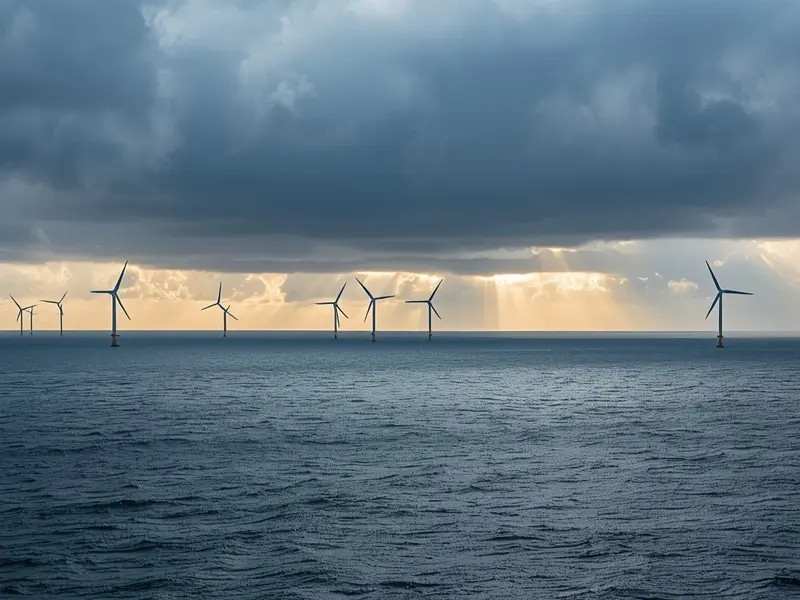
Electricity: 80% renewable target
Heat: 5.5 TWh from renewable
Transport: Biofuel obligation scheme
Accelerated Permitting
Renewable Acceleration Areas:
Designation required by 2025
Simplified procedures
Maximum 12-month permits
Presumption of approval
Grid priority access
Business Opportunities:
Power Purchase Agreements: Simplified
On-site generation: Fast-tracked
Energy communities: Supported
Grid connections: Prioritised
Storage systems: Integrated
Energy Efficiency Directive
Strengthened Requirements
Energy Savings Mandate:
Annual reduction: 1.5% of final consumption
Public sector: 1.9% annually
Energy audits: Extended scope
Data centre requirements: New
Waste heat recovery: Mandatory assessment
Irish Obligations:
National target: 11.7% reduction by 2030
Cumulative savings: 51 TWh
Public buildings: 3% renovation rate
Energy management: ISO 50001 expansion
District heating: Assessment required
Corporate Requirements
Large Enterprises:
Energy audits: Every 4 years minimum
Energy management system: Alternative
Consumption monitoring: Real-time
Action plan implementation: Required
Progress reporting: Annual
SME Support:
Simplified audits: Available
Financial support: Up to 80% costs
Technical assistance: Free advisory
Collective approaches: Facilitated
Digital tools: Provided
Sustainable Finance Framework
Green Bond Standard
EU Green Bond Requirements:
100% taxonomy alignment required
External review mandatory
Allocation reporting
Impact reporting
Transparency template
Grandfathering limited
Irish Market Development:
Green bonds issued: €8.4 billion cumulative
Sovereign green bonds: €12 billion programme
Corporate issuance: 47 companies
Sustainability-linked: Growing rapidly
Transition bonds: Emerging
Sustainable Finance Disclosure Regulation (SFDR)
Financial Market Participants:
Principal adverse impacts: Disclosure required
Sustainability risks: Integration mandatory
Product classification: Article 6, 8, or 9
Website disclosure: Standardised
Pre-contractual information: Templates
Irish Financial Sector:
Firms affected: 3,800+
Article 8 products: 42% of funds
Article 9 products: 8% of funds
Compliance costs: €2.3 million average
Greenwashing scrutiny: Increasing
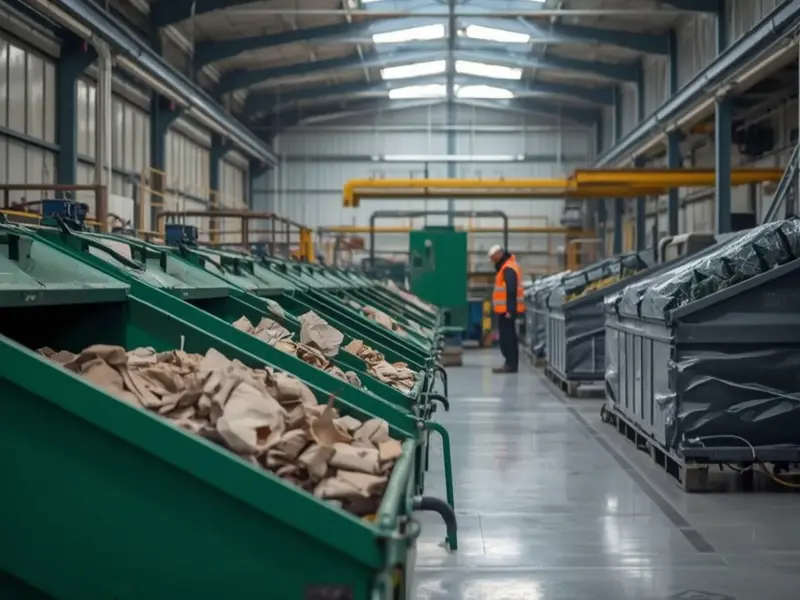
Circular Economy Action Plan
Product Policy Framework
Sustainable Products Regulation:
Digital product passports: Required
Durability requirements: Mandatory
Repairability scores: Displayed
Recycled content: Minimum levels
Destruction ban: Unsold goods
Priority Product Categories:
Electronics and ICT
Batteries and vehicles
Packaging
Plastics
Textiles
Construction materials
Food systems
Waste Prevention Targets
2030 Objectives:
Municipal recycling: 60% minimum
Packaging recycling: 70% overall
Plastic packaging: 55% recycling
Textile collection: Mandatory separate
Bio-waste: Mandatory collection
Landfill: Maximum 10%
Irish Performance:
Current recycling: 42%
Infrastructure gap: €800 million
Jobs potential: 4,500 new positions
Business savings: €450 million annually
Export opportunities: €230 million
Nature Restoration Law
Restoration Targets
Ecosystem Requirements:
2030: 20% of land and sea areas
2040: 60% under restoration
2050: 90% restoration coverage
Urban green: 3% increase
River connectivity: 25,000 km
Pollinators: Reverse decline
Business Implications:
Land use restrictions: Planning impacts
Biodiversity credits: Market development
Natural capital accounting: Emerging
Supply chain impacts: Sourcing changes
Restoration funding: €7 billion EU-wide
Agricultural Impacts
Farming Requirements:
High-diversity features: 10% of land
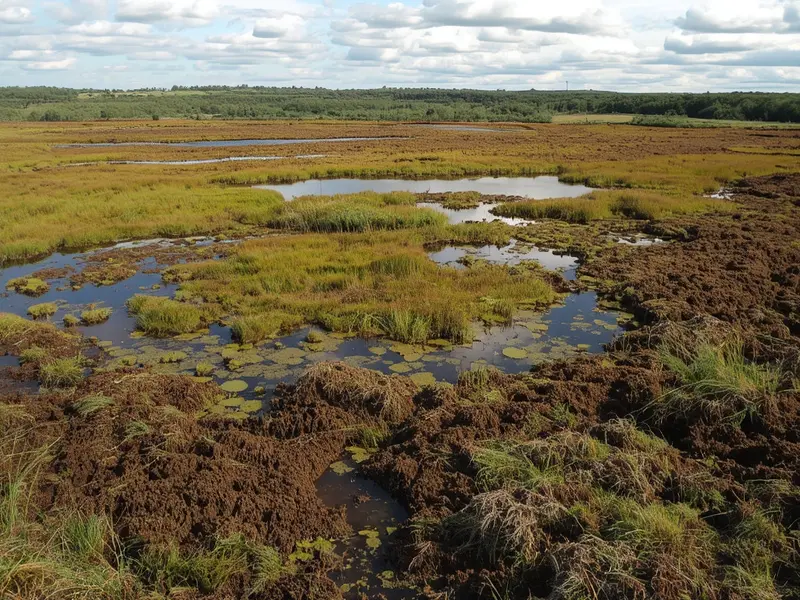
Peatland restoration: Rewetting targets
Grassland butterflies: Recovery required
Soil health: Monitoring mandatory
Forest connectivity: Enhancement needed
Just Transition Mechanism
Funding Structure
Three Pillars:
Just Transition Fund: €19.3 billion
InvestEU scheme: €10 billion
Public sector loan facility: €20 billion
Irish Allocation:
Direct funding: €169 million
Leverage expected: €500 million
Regions covered: Midlands primarily
Projects supported: 47 initiated
Jobs created/retained: 3,200 projected
Eligible Activities
Supported Investments:
SME creation and development
Research and innovation
Clean energy technology
Digitalisation projects
Circular economy initiatives
Worker reskilling
Job search assistance
Land restoration
Sectoral Deep Dives
Manufacturing Transformation
Regulatory Pressure:
Carbon pricing: Rising costs
Product standards: Stricter requirements
Chemical restrictions: REACH updates
Waste obligations: Extended
Energy efficiency: Mandatory improvements
Innovation Opportunities:
Clean technology: €2.4 billion market
Process optimisation: 30% efficiency gains
Material substitution: Sustainable alternatives
Digital solutions: Smart manufacturing
Export markets: Green premium products
Transport Revolution
Vehicle Standards:
2035: Zero-emission new cars
2040: Zero-emission trucks
Alternative fuels: Infrastructure requirements
Maritime: 2% renewable fuels by 2025
Aviation: 2% SAF by 2025, 6% by 2030
Infrastructure Development:
Charging points: 1 per 10 EVs
Hydrogen stations: TEN-T corridors
Shore power: Ports requirement
SAF production: Investment needed
Modal shift: Rail investment
Built Environment
Building Standards:
Zero-emission buildings: From 2028
Renovation wave: 3% annually
Energy performance: Minimum standards
Solar requirement: New buildings
Heat pumps: Deployment targets
Market Impact:
Renovation market: €2.8 billion annually
Green mortgages: 23% of new lending
Property values: Green premium 5-9%
Skills gap: 12,000 workers needed
Technology adoption: Accelerating
Strategic Business Response
Risk Assessment
Regulatory Risks:
Compliance costs: Quantification needed
Stranded assets: Carbon-intensive
Market access: Standards compliance
Reputation: Greenwashing scrutiny
Supply chain: Disruption potential
Opportunity Identification:
Green markets: First-mover advantage
Efficiency gains: Cost reduction
Innovation: Product development
Funding access: EU programmes
Partnerships: Value chain collaboration
Implementation Roadmap
2024-2025 Priorities:
Gap analysis: Current vs requirements
Strategy alignment: Green Deal integration
Investment planning: Technology and systems
Skills development: Training programmes
Stakeholder engagement: Communication
2026-2030 Execution:
Compliance systems: Full implementation
Innovation projects: R&D investment
Market positioning: Green leadership
Supply chain: Transformation
Continuous improvement: Monitoring
Success Metrics and Monitoring
Performance Indicators
Compliance Metrics:
Regulatory adherence: 100% target
Reporting accuracy: Audit-ready
Timeline achievement: Milestone tracking
Cost management: Budget variance
Risk mitigation: Issue resolution
Value Creation Metrics:
Revenue from green products
Cost savings achieved
Market share gains
Innovation pipeline
Stakeholder satisfaction
Transforming Policy into Progress
EU Green Deal Ireland represents the most comprehensive economic transformation in generations. While compliance costs and operational changes challenge businesses, early movers gain competitive advantages through innovation, efficiency, and market positioning. Success requires understanding requirements, accessing support, and implementing strategic responses that create value within the green economy framework.
All-Ireland Sustainability members receive continuous EU Green Deal updates, implementation tools, and peer support essential for navigating this complex landscape. Our Policy Working Group provides early insights on regulatory changes, practical compliance strategies, and collective advocacy opportunities.