
Thursday, 12 March 2026
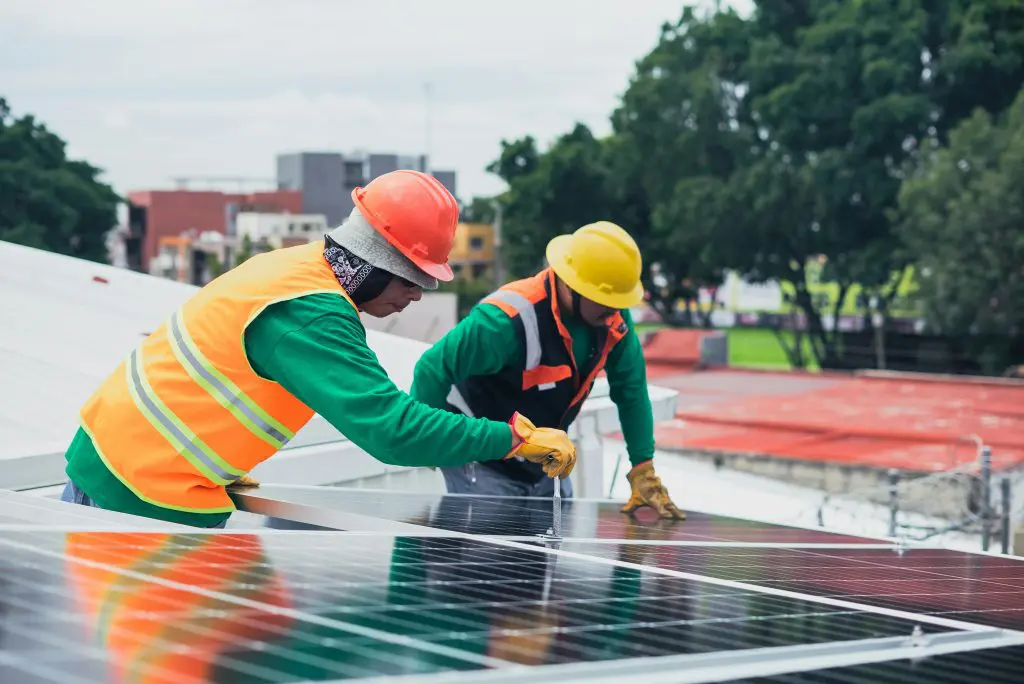
What is a Strategic Environmental Assessment (SEA) in Ireland? Strategic Environmental Assessment (SEA) is a formal, systematic process used to evaluate the likely significant environmental effects of implementing certain plans or programmes before a decision is made to adopt them. SEA aims to protect the environment at a high level and to integrate environmental considerations […]
Strategic Environmental Assessment (SEA) is a formal, systematic process used to evaluate the likely significant environmental effects of implementing certain plans or programmes before a decision is made to adopt them. SEA aims to protect the environment at a high level and to integrate environmental considerations into the preparation and adoption of plans, promoting sustainable development.
Strategic Environmental Assessment plays a crucial role in Ireland’s response to climate change. By incorporating environmental considerations early in the planning process, SEA helps identify potential impacts on greenhouse gas emissions, climate resilience, and natural carbon sinks such as forests and wetlands. This foresight supports the development of plans that align with Ireland’s climate targets and commitments under international agreements such as the Paris Agreement.
SEA can help ensure that development projects and policies do not inadvertently increase vulnerability to climate risks such as flooding, drought, or coastal erosion. By integrating climate adaptation and mitigation measures into strategic plans, SEA contributes to building more resilient communities and ecosystems.
SEA is required under European Directive 2001/42/EC (the SEA Directive). This Directive has been transposed into Irish law through two main statutory instruments:
SEA is undertaken by a wide range of public authorities responsible for preparing these plans and programmes.
The process of obtaining an SEA is a structured, legally required series of steps that public authorities must follow when preparing certain plans or programmes. The purpose is to systematically evaluate potential environmental impacts before a plan or programme is formally adopted.
The SEA process begins with screening, where the public authority assesses whether the plan or programme is likely to have significant environmental effects. This step determines if a full SEA is required.
If a full SEA is required, the next step is scoping.
An Environmental Report is then prepared alongside the draft plan or programme.
Once the draft plan and Environmental Report are published, a public consultation period takes place.
Following consultation, the plan or programme is adopted, accompanied by an SEA Statement.
While not always mandatory, monitoring the environmental effects of the plan’s implementation is encouraged to identify unforeseen impacts.
This process ensures that environmental protection is embedded into strategic decision-making, supporting sustainable development goals in Ireland. Each step involves consultation and transparency to balance development needs with environmental stewardship.
During the SEA process, specific “environmental authorities” must be consulted at various stages, including:
The environmental authorities vary depending on the statutory instrument under which the SEA is conducted:
(As of 12 September 2022, contact details for relevant environmental authorities are publicly available for consultation purposes.)
SEA is a statutory process designed to ensure that environmental factors are properly considered and integrated into the preparation and adoption of certain plans and programmes in Ireland. It requires public authorities to consult environmental authorities and the public at prescribed stages, with the overall aim of promoting sustainable development while safeguarding the environment.