
Friday, 23 October 2026
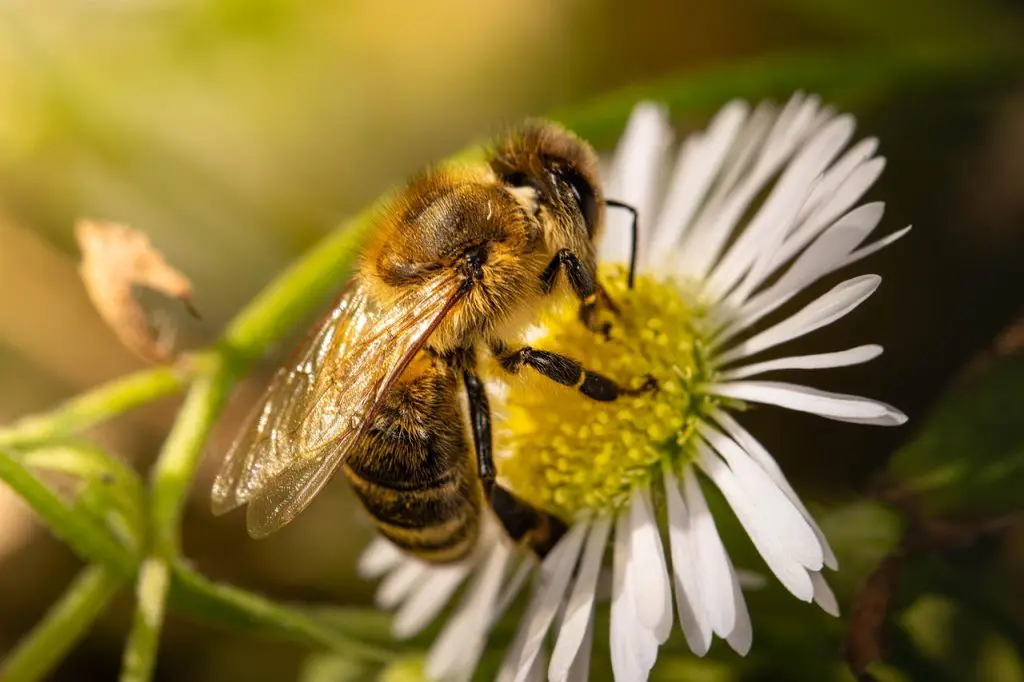
World Bee Day 2026: Why Protecting Pollinators Is Key to a Sustainable Future On 20th May each year, the world comes together to celebrate World Bee Day, an initiative aimed at raising awareness about the vital role bees and other pollinators play in our ecosystems. As we approach World Bee Day 2026, it’s crucial to […]
On 20th May each year, the world comes together to celebrate World Bee Day, an initiative aimed at raising awareness about the vital role bees and other pollinators play in our ecosystems. As we approach World Bee Day 2026, it’s crucial to understand why protecting these creatures is essential for both our environment and our food systems. This article explores the significance of pollinators, the threats they face, and actionable steps we can take to foster a sustainable future.
Pollination is the process by which pollen is transferred from the male part of a flower to its female part, enabling fertilisation to occur. This process is critical for the reproduction of many plants, including a substantial portion of the crops we consume. Approximately 75% of the world’s flowering plants depend on pollinators, with bees being the most efficient among them.
In Ireland, this day is an opportunity to raise awareness about protecting native bee populations, which are essential for gardens, farms, and natural ecosystems. Schools, beekeeping associations, and community groups often host events, workshops, and educational campaigns to encourage people to plant bee-friendly flowers, reduce pesticide use, and support local pollinators.
The economic significance of pollinators cannot be overstated. According to the Food and Agriculture Organization (FAO), pollinators contribute to the production of 87 of the world’s leading food crops. This translates to an estimated value of over £440 billion annually. By ensuring healthy pollinator populations, we can support food security and foster economic stability within agriculture and related sectors.
Despite their importance, pollinator populations are in decline due to several intertwined factors:
1. Habitat Loss: Urban development, agriculture, and deforestation have led to the destruction of natural habitats, leaving pollinators with fewer resources and nesting sites.
2. Pesticides: The widespread use of pesticides, particularly neonicotinoids, has been linked to bee mortality and declining populations. These chemicals disrupt the central nervous systems of not only pests but also beneficial insects.
3. Climate Change: Changing climate patterns affect the availability of food sources for pollinators, disrupting their natural life cycles and migration patterns.
4. Diseases and Parasites: Bees, in particular, face threats from diseases and parasites, such as the Varroa destructor mite, which can decimate beehives and weaken bee populations.
The decline in pollinator populations can have significant repercussions, not just for biodiversity but also for human survival. A reduction in pollinator activity results in lower yields of fruits, vegetables, and nuts, which could lead to increased food prices and reduced nutrition. Furthermore, many species that depend on these plants for survival could face extinction, ultimately disrupting the intricate balance of ecosystems.
Ireland’s bees face growing threats from invasive species, particularly the Asian hornet (Vespa velutina). First detected in Ireland in recent years, this predatory insect poses a serious risk to honeybee colonies. Asian hornets hunt bees aggressively, which can weaken hives and reduce pollination efficiency. Beekeepers and gardeners are encouraged to remain vigilant, report sightings to local authorities, and implement protective measures around hives.
By participating in World Bee Day activities, Irish communities can both celebrate pollinators and take proactive steps against threats like the Asian hornet. Planting native wildflowers, creating safe habitats, and supporting beekeepers are small but impactful ways to protect Ireland’s bees and ensure a healthy, thriving ecosystem for future generations.
To combat the decline in pollinator populations, lawmakers must implement policies that promote sustainable agricultural practices. Encouraging organic farming, restricting harmful pesticides, and protecting natural habitats are critical steps in promoting healthier ecosystems. Individuals can also participate by advocating for these changes within their communities.
Whether you are a seasoned gardener or a novice, you can contribute by creating pollinator-friendly gardens. Here are some tips to get started:
1. Native Plants: Choose native plants that provide the right food sources for local pollinators at various times throughout the growing season.
2. Avoid Chemicals: Opt for organic gardening techniques that minimise chemical exposure to pollinators.
3. Diversity: Plant a variety of flowers to attract different types of pollinators, including bees, butterflies, and hummingbirds.
4. Provide Habitats: Create shelter for pollinators by leaving undisturbed patches in your garden, providing nesting sites, and incorporating features like bee hotels.
Raising awareness about the importance of pollinators can galvanise community efforts to protect them. Educational programmes in schools, community workshops, and local events on World Bee Day can play a pivotal role in fostering a culture of conservation. Empowering individuals to understand their impact on pollinator health promotes collective action.
As we look towards World Bee Day 2026, it is clear that protecting pollinators is crucial for a sustainable future. The role that these creatures play in our ecosystems and food systems is invaluable, and their decline poses a significant threat. By advocating for policy changes, creating supportive environments, and educating ourselves and others, we can take meaningful steps towards safeguarding the vital contributions of pollinators.
This World Bee Day, let’s pledge to protect our pollinators. Share this article, engage in community discussions, and take action in your gardens. Together, we can create a healthier planet for future generations. Remember, every small act contributes to a larger movement for sustainability!
Entries have now closed. We would love it if you could join us for our awards evening on the 1st of October 2026 at the Europa, Hotel, Belfast. Tables and tickets can be booked via the website.