
Tuesday, 24 November 2026
The Future of Buildings: Decarbonisation Trends Across the Island of Ireland The urgency to combat climate change has made decarbonisation a priority for various sectors, especially in the building industry. As one of the most significant contributors to greenhouse gas emissions, buildings in the UK and Ireland are undergoing transformative changes to reduce their carbon […]
The urgency to combat climate change has made decarbonisation a priority for various sectors, especially in the building industry. As one of the most significant contributors to greenhouse gas emissions, buildings in the UK and Ireland are undergoing transformative changes to reduce their carbon footprint. This article explores the current trends and future projections of decarbonisation across the Island of Ireland, examining policy, technology, and sustainable practices.
Decarbonisation refers to the process of reducing carbon emissions from energy consumption and production. In the building sector, this encompasses improving energy efficiency, shifting to renewable energy sources, and integrating sustainable materials into construction. The goal is to transition from traditional fossil fuel-dependent energy systems to a more sustainable and eco-friendly model.
Buildings are responsible for a significant percentage of total carbon emissions. In Ireland, the built environment accounts for around 38% of national emissions, making it crucial that we address these figures to achieve a more sustainable future. By prioritising decarbonisation in buildings, we can contribute to broader climate goals, improve air quality, and enhance the overall quality of life for residents.
As the awareness of climate change continues to grow, several trends are emerging across the Island of Ireland that are shaping the future of buildings. Here are some of the most significant ones:
The Irish government has made significant strides in promoting sustainability and decarbonisation within the building sector. The “Climate Action Plan” aims to reduce emissions across various sectors, including buildings, by setting clear targets for the retrofitting of homes and commercial properties.
The Building Energy Rating (BER) system assesses the energy efficiency of buildings in Ireland. This framework encourages property owners and developers to consider energy performance in their construction and renovation projects. The BER system is a vital tool for promoting transparency and motivating action within the sector.
Furthermore, initiatives such as the Green Building Fund provide financial support and incentives for energy-efficient upgrades and sustainable construction methods. These programmes encourage stakeholders to invest in decarbonisation, thereby accelerating the transition to eco-friendly buildings.
The use of sustainable materials is gaining traction in the building industry. As the awareness of environmental issues increases, architects and builders are increasingly opting for eco-friendly materials that are sustainable and have a minimal carbon footprint.
Materials such as timber, bamboo, and recycled aggregates are being prioritised due to their lower embodied carbon footprint. Low embodied carbon materials not only reduce greenhouse gas emissions during production but also promote responsible sourcing and waste management.
The prefabrication and modular building trend is also on the rise, allowing for more efficient construction processes. These methods reduce material wastage, minimise transportation emissions, and often lead to faster completion times – all of which align with decarbonisation goals.
Some technological innovations in building designs include renewable energy integration (such as solar PV and thermal systems), smart building technologies (such as energy management systems), and community led initiatives.
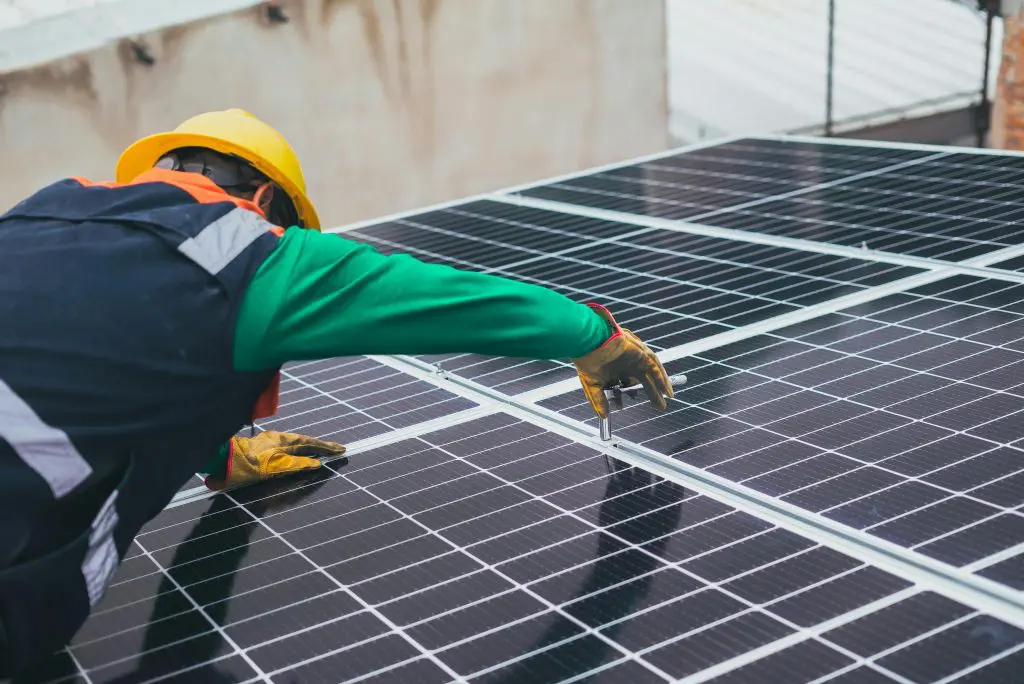
As part of the decarbonisation trend, installers and builders are increasingly integrating renewable energy sources into building designs. Solar panels, wind turbines, and geothermal systems are becoming common features in both residential and commercial properties.
Solar photovoltaic (PV) panels are popular for generating electricity, while solar thermal systems provide hot water. Many new buildings are designed to be ‘net-zero’ energy, meaning they produce as much renewable energy as they consume, further contributing to decarbonisation.
The rise of smart technology in building management is reshaping how we interact with our spaces. Smart systems that monitor and control energy consumption can significantly reduce overheads and emissions.
Energy management systems (EMS) enable property owners to track their energy usage in real-time, helping identify areas for improvement. These technologies can help buildings operate more efficiently and facilitate the transition towards decarbonisation.
Heat pumps harness renewable sources of energy for heating and cooling, providing an effective alternative to fossil fuel-based systems. They can be used in various building types, making them a critical component in decarbonising existing structures.
Across the Island of Ireland, grassroots movements are driving community engagement and action in decarbonisation. Local councils and community groups play an essential role in promoting sustainable practices and implementing initiatives that encourage energy-efficient behaviours.
Community energy projects empower local residents to invest in renewable energy, often leading to energy co-operatives that offer benefits for both local people and the environment. These initiatives emphasise the role communities can play in achieving broader decarbonisation goals.
Education and awareness campaigns are essential in raising consciousness about the importance of sustainable living. Through workshops, seminars, and outreach programmes, community initiatives are helping residents understand how they can contribute to decarbonisation, such as reducing energy waste and utilising renewable resources.
While there has been significant progress in the decarbonisation of buildings across the Island of Ireland, several challenges remain. The high upfront costs of sustainable technologies, the need for outdated infrastructures to be retrofitted, and ensuring regulatory compliance can hinder progress.
Financial incentives and funding opportunities are vital for driving decarbonisation efforts. As the government strengthens its commitment to climate goals, expanding financial support for sustainable practices will be crucial in removing barriers.
Collaboration between government, industry, and communities is essential for the future of sustainable buildings. Creating synergies among various sectors will amplify efforts towards decarbonisation and foster innovation.
The decarbonisation of buildings across the Island of Ireland is an ambitious yet necessary goal in the fight against climate change. With governmental support, technological advancements, and community engagement, significant strides can be made towards creating a sustainable built environment. By harnessing these trends and overcoming existing challenges, Ireland can lead the way in redefining the future of buildings, paving the path toward an eco-friendly and resilient future.
As we look ahead, it is clear that the collective efforts of individuals, communities, and governments will be critical in designing building practices that align with our environmental commitments. Only by prioritising sustainability today can we ensure a healthier planet for future generations.
Decarbonisation in the building sector refers to reducing carbon emissions from energy use, materials, and construction processes. This includes improving energy efficiency, using renewable energy sources like solar panels and heat pumps, and choosing low-carbon, sustainable materials to minimise environmental impact.
Buildings account for around 38% of Ireland’s total carbon emissions. Decarbonising them is critical for meeting climate targets, improving public health, reducing energy costs, and creating sustainable, future-proof homes and commercial properties across the island.
Key trends include increased retrofitting supported by the Climate Action Plan, use of sustainable materials like timber and recycled aggregates, integration of renewable energy (e.g., solar PV), smart building technologies, and modular construction methods. Community energy projects and education campaigns are also growing.
The Irish government supports decarbonisation through initiatives like the Climate Action Plan, the Building Energy Rating (BER) system, and the Green Building Fund, which provides financial incentives for energy-efficient upgrades, retrofits, and low-carbon construction practices.
Major challenges include high upfront costs of green technologies, retrofitting outdated infrastructure, compliance with evolving regulations, and ensuring collaboration among government, industry, and local communities. Expanding financial support and public awareness are key to overcoming these barriers.
Copyright © 2026. All Ireland Sustainability
Webdesign & Development Northern Ireland 2b:creative
Entries have now closed. We would love it if you could join us for our awards evening on the 1st of October 2026 at the Europa, Hotel, Belfast. Tables and tickets can be booked via the website.