
Wednesday, 04 November 2026
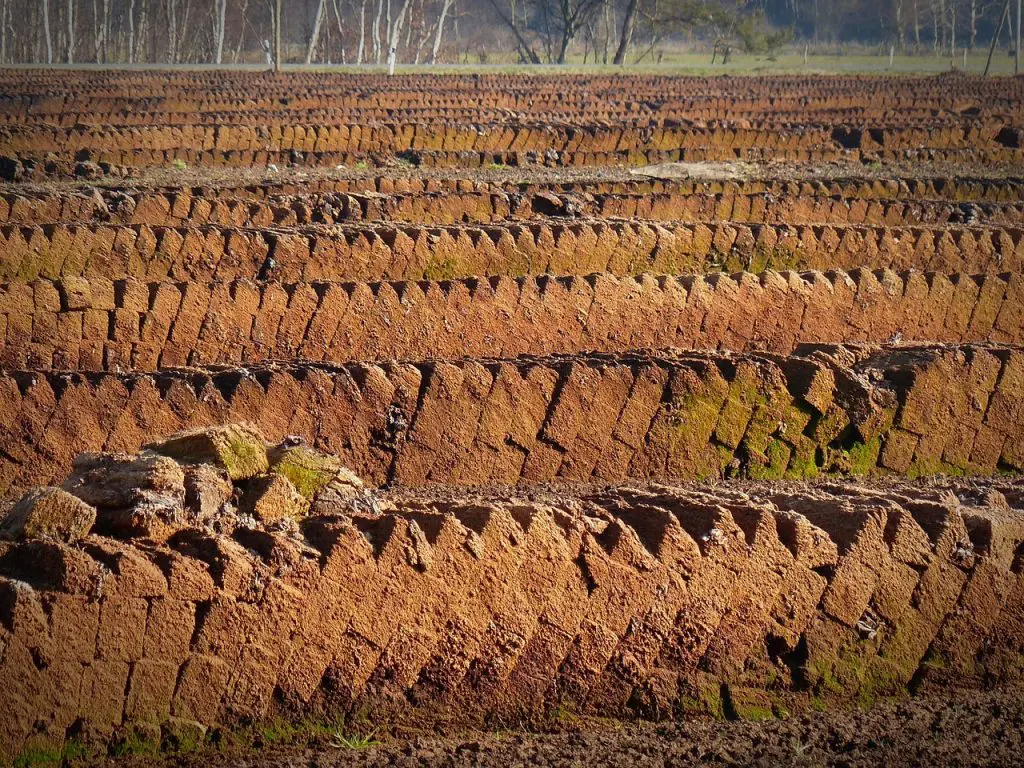
EPA Criticises County Councils in Ireland for Failing to Act on Illegal Peat Extraction A major investigation by Ireland’s Environmental Protection Agency (EPA) has uncovered widespread illegal peat extraction across seven counties, leading to severe environmental damage and prompting harsh criticism of local authorities for failing to enforce environmental law. Peatlands Under Threat Peatlands are […]
A major investigation by Ireland’s Environmental Protection Agency (EPA) has uncovered widespread illegal peat extraction across seven counties, leading to severe environmental damage and prompting harsh criticism of local authorities for failing to enforce environmental law.
Peatlands are one of Ireland’s most valuable natural ecosystems, crucial for biodiversity, flood control, water purification, and carbon storage. When intact, they lock away vast amounts of carbon dioxide (CO₂), but when drained and stripped, that carbon is released into the atmosphere, contributing significantly to climate change.
Despite these known risks, the EPA’s investigation found that 38 large-scale peat extraction sites—spanning thousands of hectares—have been operating without the required planning permission or EPA licences. Many of these sites continue to function in “flagrant violation of environmental law,” according to the agency.
Ireland is bound by international agreements to reduce its greenhouse gas emissions, including the EU Climate Law and the Paris Agreement. Peatland destruction undermines these commitments, as degraded bogs become significant carbon sources rather than sinks. The release of carbon from damaged peatlands could negate emissions reductions achieved in other sectors, such as transport or energy, effectively setting the country back in its climate targets.
Ireland has committed to achieving net-zero emissions by 2050. Protecting and restoring peatlands is one of the most cost-effective and natural ways to sequester carbon—yet enforcement failures make that goal increasingly difficult to reach.
Ireland’s own Peatlands Climate Action Scheme and EU LIFE Projects show promise, but the effectiveness of these initiatives is undercut when illegal extraction continues unchecked.
In 2024 alone, over 300,000 tonnes of peat—with a market value of nearly €40 million—were exported from Ireland, much of it sourced illegally. The primary destinations included Britain, Northern Ireland, Australia, New Zealand, and South Africa. This booming trade has come at the expense of Irish peatlands, which have been “catastrophically” damaged, according to the EPA.
Drains have been dug, habitats destroyed, and vast tracts of land stripped to harvest peat used in products like compost and animal bedding. The ecological loss is described as “irreplaceable”, particularly in terms of lost carbon storage and environmental function.
The EPA’s report focused on seven counties: Offaly, Westmeath, Roscommon, Tipperary, Kildare, Longford, and Sligo. Of these, only Longford County Council was noted for making significant efforts to enforce the law.
EPA Director of Enforcement Dr Tom Ryan criticised councils for being “conspicuous in their lack of enforcement”, urging them to prioritise their legal responsibilities and use their existing powers to shut down these illegal activities. Councils responded by saying they lack the resources to take effective action, a claim the EPA strongly disputes.
Although the EPA has the authority to issue legally binding directions to local authorities or take them to court for non-compliance, it has so far only issued draft directions.
Ireland’s peat extraction laws are complex. Any operation over 50 hectares requires planning permission, an EPA licence, and one or two forms of environmental assessment. Smaller sites are also subject to regulation but may fall outside direct EPA oversight.
Some operators have tried to circumvent enforcement by reducing their active site area to just below 50 hectares, thereby transferring sole regulatory responsibility to local councils.
The EPA made it clear that its investigation does not target traditional turf-cutting for household use, but that some illegal operators falsely claim such exemptions to hide industrial-scale activities.
“This is deliberate, insidious destruction of an irreplaceable natural resource for profit,” said Dr Ryan. “It’s happening quietly, under a false cover of cultural tradition. But this is not traditional turf-cutting—it’s a multi-million euro illegal industry.”
The only major legal peat extractor currently operating is Bord na Móna, which has voluntarily ceased commercial extraction and is now focused on rehabilitating some of its former sites.
The EPA’s investigation has exposed serious failures in environmental enforcement, with significant consequences for Ireland’s climate goals and biodiversity. Without stronger regulatory action and full engagement from local authorities, the destruction of Ireland’s peatlands is set to continue. The agency has called for immediate and coordinated action to end this illegal industry and protect what remains of one of the country’s most vital ecosystems.
At All-Ireland Sustainability, we’re committed to building a greener, fairer island—together. Stay informed on the latest environmental initiatives, community action, and policy developments shaping sustainability across Ireland, North and South.
👉 Sign up for our newsletter today and be the first to hear about upcoming events, expert insights, and ways to get involved.
Whether you’re a seasoned advocate or just starting your journey, new members are always welcome—your voice matters.
Subscribe now and be part of the All-Ireland Sustainability network.
Copyright © 2026. All Ireland Sustainability
Webdesign & Development Northern Ireland 2b:creative
Entries have now closed. We would love it if you could join us for our awards evening on the 1st of October 2026 at the Europa, Hotel, Belfast. Tables and tickets can be booked via the website.