
Tuesday, 13 October 2026
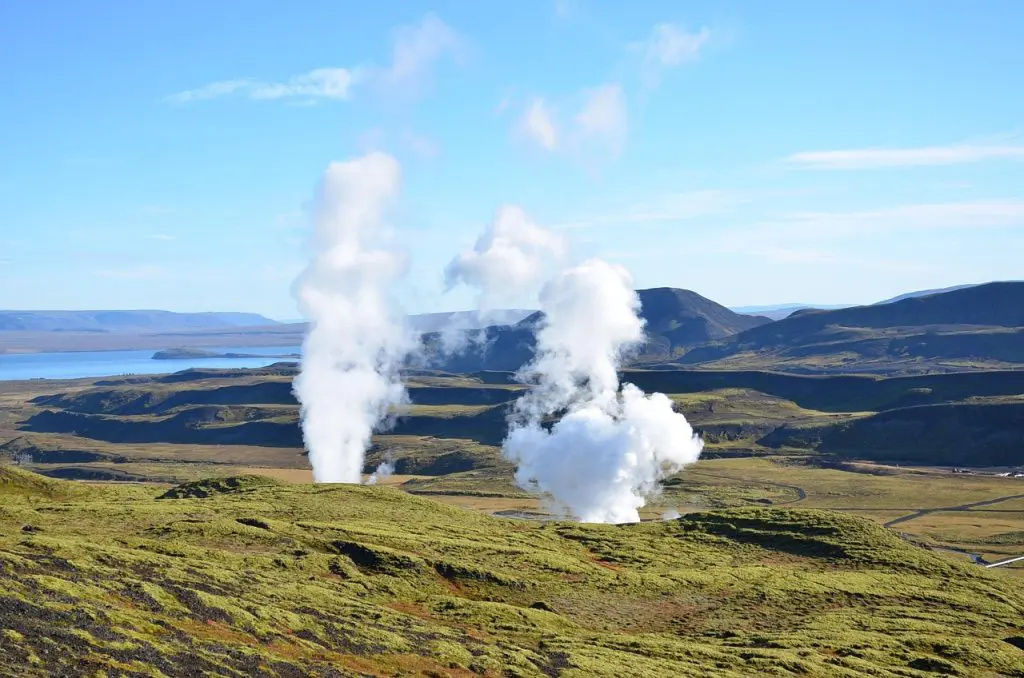
The Future of Renewable Energy: Geothermal Potential in Ireland As the world increasingly shifts towards sustainable energy sources, Ireland stands at the forefront of exploring innovative solutions to meet its energy needs. Among these solutions, geothermal energy has emerged as a promising candidate. This article will delve into the future of renewable energy in Ireland, […]
As the world increasingly shifts towards sustainable energy sources, Ireland stands at the forefront of exploring innovative solutions to meet its energy needs. Among these solutions, geothermal energy has emerged as a promising candidate. This article will delve into the future of renewable energy in Ireland, focusing on the geothermal potential that remains largely untapped.
Geothermal energy harnesses the heat stored beneath the Earth’s surface. This energy can be accessed through various methods, including geothermal power plants, ground source heat pumps (GSHP), and direct-use systems. In Ireland, geothermal energy remains relatively underutilised, despite the country’s geological conditions being favourable for its development.
Geothermal energy operates on the principle of heat transfer. The Earth’s core maintains high temperatures, and this heat radiates outward, creating pockets of geothermal energy. By drilling wells into these hot spots, water or steam can be extracted to generate electricity or provide direct heating.
| Organisation / Business | Country | Application | Details |
|---|---|---|---|
| IKEA (Store in Västerås) | Sweden | Heating & Cooling | IKEA’s Västerås store uses geothermal energy for space heating and cooling, significantly reducing reliance on fossil fuels. |
| Cornell University | USA | Campus-Wide Heating | The “Earth Source Heat” project will use deep geothermal wells to provide renewable heating across Cornell’s Ithaca campus. |
| Reykjavik Energy (Orkuveita Reykjavíkur) | Iceland | Utility Provider | Supplies geothermal hot water and electricity to the capital region, including homes, businesses, and public institutions. |
| Green Energy Geothermal | Kenya | Industrial & National Grid | Develops and operates geothermal power plants used by both industrial clients and the national grid, reducing blackouts. |
| Google Data Center (Hamina) | Finland | Cooling | While not purely geothermal, Google explores subsurface heat exchange technologies and has piloted geothermal cooling at some data centers. |
| Heineken Brewery | Netherlands | Process Heating | Uses geothermal heat in its brewing process to cut gas consumption and lower emissions in production. |
| Tuscany Vineyards (e.g., Banfi) | Italy | Agricultural Heating | Vineyards use geothermal energy for climate control in greenhouses and fermentation rooms, improving sustainability in winemaking. |
| Boise City Facilities | USA | Municipal Use | Boise, Idaho runs one of the largest direct-use geothermal district heating systems for public buildings and businesses downtown. |
| Chino Mine (Freeport-McMoRan) | USA | Power Generation | Uses geothermal-generated electricity for operations at one of the largest copper mines in North America. |
| Tokyu Corporation (Tama Plaza) | Japan | Commercial Development | Uses shallow geothermal systems to provide heating and cooling to retail and office spaces in a sustainable shopping complex. |
Ireland has made significant strides in renewable energy, with a particular emphasis on wind and solar power. The government has committed to achieving a target of 70% electricity generation from renewable sources by 2030. However, this leaves room for diversification in the renewable energy sector, where geothermal energy could play a significant role.
While the potential is high, several factors have hindered the large-scale adoption of geothermal energy in Ireland. These include:
Ireland’s geological makeup offers significant geothermal resources. The country’s volcanic past has created hotspots in locations such as the East, notably in County Kildare, and the West, particularly along the fault lines of the Atlantic Ocean. Additionally, there are shallow geothermal resources found throughout the country that can be accessed for heating purposes.
1. Deep Geothermal Energy: This involves drilling deep into the earth’s crust to access high temperatures. While challenging, the potential for electricity generation is considerable.
2. Shallow Geothermal Energy: Ground source heat pumps (GSHP) exploit the relatively stable temperatures found just below the surface. This type of geothermal energy is suitable for residential heating and cooling systems.
The development of the geothermal sector in Ireland could stimulate economic growth and create jobs. From drilling engineers to installation specialists, a robust geothermal industry would require a skilled workforce, thereby providing opportunities for education and training.
By diversifying its energy portfolio, Ireland can achieve greater energy security. Geothermal energy offers a reliable source of baseload power, complementing intermittent sources like wind and solar. Harnessing domestic resources will also reduce dependency on imported fossil fuels.
The environmental impact of geothermal potential in Ireland includes a reduced carbon footprint, and sustainable resource management.
Geothermal energy is one of the cleanest forms of energy available. It produces minimal greenhouse gas emissions compared to fossil fuels, significantly reducing the carbon footprint associated with energy generation. As Ireland aims to meet its climate targets, embracing geothermal energy will be paramount in reducing overall emissions.
Geothermal energy systems are inherently sustainable. The Earth’s heat is continually replenished, meaning that as long as systems are managed correctly, they can provide a long-term energy solution without depleting environmental resources.
The challenges in establishing geothermal potential in Ireland involves the research and development, policy support, and incentives for organisations.
To unlock Ireland’s geothermal potential, significant investment in research and development is necessary. Collaborative efforts between government, academic institutions, and private sector stakeholders can drive innovation and reduce the costs associated with geothermal energy.
Robust policy frameworks and financial incentives are essential to encourage investments in geothermal energy. The Irish government should consider implementing favourable regulations, such as tax breaks or subsidies, to attract developers and investors.
Educating the public on the benefits of geothermal energy is crucial. Awareness campaigns can help demystify geothermal technology, garnering support from local communities and stakeholders.
The future of renewable energy in Ireland is ripe with opportunities, especially concerning geothermal energy. By addressing the barriers to development and harnessing the country’s geological resources, Ireland can position itself as a leader in sustainable energy. The need for a diverse energy portfolio, combined with the pressing challenge of climate change, makes the exploration and development of geothermal energy not only beneficial but necessary for a sustainable future.
As we look to the future, the unlocking of Ireland’s geothermal potential could play a significant role in the country’s transition towards a greener, energy-independent economy. With the right support, investment, and public engagement, geothermal energy could indeed pave the way for a brighter, more sustainable Ireland.
Geothermal energy harnesses heat stored beneath the Earth’s surface. It works by extracting steam or hot water from underground to generate electricity or provide heating. In Ireland, geothermal systems include deep geothermal wells for power and ground source heat pumps (GSHPs) for home and business heating.
Yes, Ireland has significant geothermal potential due to its geological makeup. Regions like County Kildare and parts of the West have suitable geothermal conditions, offering opportunities for both deep geothermal energy and shallow ground-source heat pump systems for sustainable heating.
Geothermal energy offers numerous benefits, including:
– Reduced carbon emissions
– Energy security through domestic energy production
– Economic growth and job creation
– Sustainable heating for homes and businesses
It also complements wind and solar as a baseload renewable energy source.
Barriers include:
– High infrastructure costs for drilling and installation
– Lack of supportive policy frameworks and incentives
– Low public awareness and understanding of geothermal technologies
Addressing these issues is key to unlocking geothermal’s potential in Ireland.
Ireland can accelerate geothermal adoption by:
– Investing in research and development
– Introducing government incentives and tax breaks
– Building public awareness through campaigns
– Updating regulatory frameworks to support geothermal projects
These steps can attract investment and support national climate goals.
Copyright © 2026. All Ireland Sustainability
Webdesign & Development Northern Ireland 2b:creative
Entries have now closed. We would love it if you could join us for our awards evening on the 1st of October 2026 at the Europa, Hotel, Belfast. Tables and tickets can be booked via the website.