Wednesday, 11 November 2026
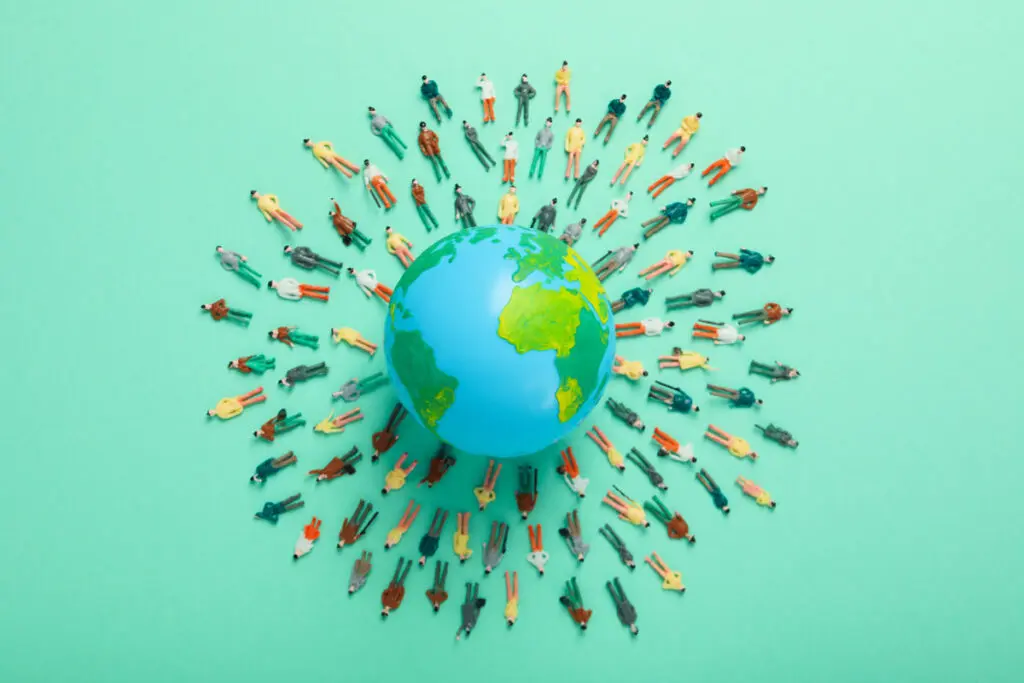
Sustainable Development Goals (SDGs): A Roadmap for Irish Businesses to Make a Global Impact The Sustainable Development Goals (SDGs) represent a universal call to action to end poverty, protect the planet, and ensure prosperity for all by 2030. For Irish businesses, embracing these goals is not just a moral imperative; it also offers an opportunity […]
The Sustainable Development Goals (SDGs) represent a universal call to action to end poverty, protect the planet, and ensure prosperity for all by 2030. For Irish businesses, embracing these goals is not just a moral imperative; it also offers an opportunity to enhance their reputation, reach new markets, and foster innovation. In this article, we will explore how Irish businesses can integrate the SDGs into their strategies, thereby creating a roadmap for making a significant global impact.
Established in 2015 by the United Nations, the SDGs consist of 17 interconnected goals that address global challenges, including inequality, climate change, environmental degradation, peace, and justice. These goals provide a blueprint for achieving a better and more sustainable future for all.
Integrating the SDGs into business practices can lead to numerous benefits, including:
Irish businesses are increasingly recognising their role in contributing to the SDGs. Ireland’s strong emphasis on corporate social responsibility (CSR) sets the stage for companies to leverage sustainability as a core business strategy. However, there is still much work to be done to create a comprehensive approach to addressing the SDGs.
Not all SDGs may be equally relevant to every business. It is crucial for companies to assess which goals align with their mission, industry, and values. For example:
Follow these crucial steps to see how your business can improve its UVP in the global market.
Conduct a comprehensive assessment of your business’s current practices to identify areas of improvement and opportunities to align with the SDGs. This may involve stakeholder consultations, employee surveys, and analysing existing CSR initiatives.
Based on your assessment, establish clear, measurable objectives that align with your chosen SDGs. For instance, if your business opts for SDG 7: Affordable and Clean Energy, you might aim to reduce energy consumption by 20% within five years.
Engagement is key to successfully implementing your roadmap. Involve employees at all levels through workshops or training sessions to foster a culture of sustainability. Collaborate with stakeholders, including customers, suppliers, and community groups, to enhance your efforts and maximise impact.
To achieve your SDG targets, explore innovative solutions that can help you streamline operations, reduce waste, improve employee satisfaction, and enhance customer engagement. Regularly review your strategies and adapt them based on performance metrics and feedback.
Establish metrics to evaluate progress towards your objectives. Transparency is vital, so report on your achievements and challenges through annual reports or sustainability updates. This not only builds trust but also encourages accountability.
The benefits of aligning with the Sustainable Development Goals, according to our guide are as follows:
By aligning with the SDGs, Irish businesses can tap into a growing market of sustainability-conscious consumers. Companies today are increasingly scrutinised for their impact on the environment and society, and aligning with the SDGs can provide a competitive edge.
Investors are actively seeking out businesses that incorporate sustainability into their models. By demonstrating a commitment to the SDGs, Irish companies can position themselves favourably in attracting funding and investment.
Sustainable practices can help businesses become more resilient to external pressures, such as economic downturns or supply chain disruptions. By integrating sustainability into core operations, companies can better navigate uncertainties in the market.
Here are some examples of Irish businesses working to implement SDG
Pat the Baker has taken significant strides towards sustainability by focusing on responsible sourcing of ingredients and implementing energy-saving technologies in their production processes. Their commitment to excellence in sustainability enhances their brand image and customer loyalty.
Glanbia Ireland has made remarkable efforts in climate action by committing to reducing its carbon emissions and improving the sustainability of its dairy operations. Their initiatives extend to the local communities, promoting healthy living and nutrition amongst customers.
Irish Rail has made a strong commitment to SDG 13: Climate Action. Through electrification and energy-efficient trains, they’ve significantly reduced their carbon footprint and improved operational efficiencies.
Embracing the Sustainable Development Goals is not only beneficial for Irish businesses but essential for ensuring a sustainable future. By implementing a clear roadmap to align with the SDGs, companies can achieve their objectives while also contributing positively to society and the environment. As more Irish businesses step up to the challenge, they will not only enhance their bottom line but also make a tangible difference on a global scale.
Irish businesses should not hesitate to embark on their sustainability journey. Start small, think big, and be part of a movement that fosters a better world for all. Together, let us turn our ambitions into action, creating lasting impacts that can ripple across generations.
The Sustainable Development Goals (SDGs) are 17 global targets set by the UN to address challenges like poverty, climate change, and inequality by 2030. For Irish businesses, aligning with the SDGs enhances brand trust, attracts investment, boosts innovation, and improves operational efficiency—while contributing to a sustainable future.
Irish businesses can follow a 5-step SDG implementation roadmap:
– Assess impact – Review current operations and sustainability gaps
– Set goals – Align objectives with relevant SDGs
– Engage stakeholders – Involve employees, customers, and partners
– Innovate and adapt – Apply sustainable practices and technologies
– Measure progress – Report on outcomes to build trust and transparency
This structured approach helps integrate sustainability into daily operations and long-term strategy.
Key SDGs for Irish companies include:
SDG 12: Responsible Consumption and Production – Reducing waste and improving supply chains
SDG 13: Climate Action – Cutting emissions and adopting clean energy
SDG 5: Gender Equality – Promoting diversity and inclusion in the workplace
SDG 7: Affordable and Clean Energy – Reducing energy use and switching to renewables
Benefits of SDG alignment include:
– Enhanced brand reputation with eco-conscious consumers
– Access to funding from sustainability-focused investors
– Stronger resilience against economic and environmental disruptions
– Competitive advantage through innovation and ethical practices
Irish businesses embracing SDGs often see long-term growth and global recognition.
– Pat the Baker – Focuses on energy efficiency and responsible sourcing
– Glanbia Ireland – Reduces carbon emissions and promotes sustainable agriculture
– Irish Rail – Supports SDG 13 with electrified, energy-efficient transport solutions
Copyright © 2026. All Ireland Sustainability
Webdesign & Development Northern Ireland 2b:creative
Entries have now closed. We would love it if you could join us for our awards evening on the 1st of October 2026 at the Europa, Hotel, Belfast. Tables and tickets can be booked via the website.