
Saturday, 24 October 2026
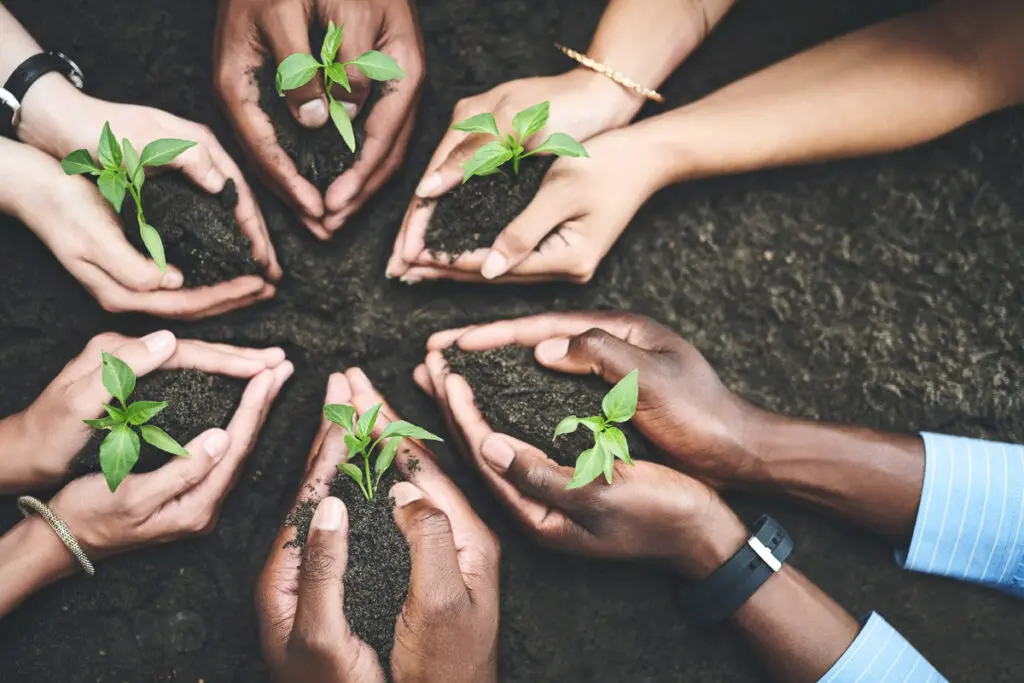
Youth Activism in Ireland and Sustainability: How Young Climate Leaders are Shaping the Future As global concerns regarding climate change and sustainability continue to gain traction, youth activism has emerged as a powerful force. In Ireland, young leaders are not just raising awareness but actively shaping the policies and practices around sustainability. This article explores […]
As global concerns regarding climate change and sustainability continue to gain traction, youth activism has emerged as a powerful force. In Ireland, young leaders are not just raising awareness but actively shaping the policies and practices around sustainability. This article explores the significant impact of youth activism in Ireland and how young individuals are mobilising their communities for a sustainable future.
Youth activism is not a novel concept; however, its resurgence in recent years has been remarkable. In Ireland, the roots of youth activism can be traced back to various social movements throughout the 20th century, but it has amplified in light of pressing environmental challenges.
The influence of global movements such as Fridays for Future, inspired by young climate activist Greta Thunberg, has ignited a passion for climate action among Irish youth. Demonstrations, online campaigns, and community initiatives have transformed young people into pivotal agents of change.
One of the most significant advancements in youth activism is young people’s engagement with policy-making. Initiatives like the Future Generations: Climate Justice Project exemplify how young leaders are advocating for substantial changes at the governmental level. They demand action on climate issues, lobbying for policies that prioritise sustainability and push for more significant commitments to reducing carbon emissions.
Education plays a crucial role in empowering young people to advocate for sustainability. Many Irish schools have integrated environmental education into their curricula, enabling students to grasp the complexities of climate change and its socio-economic impacts. This education fosters critical thinking and encourages young people to participate actively in community initiatives.
Programs such as Green-Schools promote environmental management and sustainability practices in schools across Ireland. These initiatives not only empower students but also educate their peers, families, and communities about sustainable practices.
Irish youth activists have harnessed the power of social media to raise awareness about environmental issues. Campaigns highlighting local and global challenges, such as plastic pollution and biodiversity loss, have reached wide audiences. Platforms like Instagram and TikTok have become essential tools for young activists to share their messages, organise events, and mobilise support for sustainability initiatives.
Many young leaders are at the forefront of grassroots movements that focus on local sustainability practices. For example, initiatives like Big Beach Clean see young volunteers come together to tidy up local parks, coastal areas, and urban spaces. Such actions not only beautify the environment but foster a sense of community and responsibility.
These grassroots projects often operate alongside established organisations, combining local enthusiasm with institutional support. Collaborations with local councils can facilitate larger-scale clean-ups and educational workshops, amplifying the impact of youth activism.
In addition to traditional forms of activism, Ireland’s youth are also innovating within the business sector. Young entrepreneurs are increasingly prioritising sustainability in their practices and products. Start-ups focusing on eco-friendly products, waste reduction, and sustainable fashion are becoming more common. These ventures demonstrate that sustainability is not just a moral choice but also a viable economic model.
The Young Social Innovators programme encourages youths to develop entrepreneurial skills with a focus on social and environmental impacts. By fostering innovative thinking, young entrepreneurs are leading the way towards a more sustainable economy.
While young activists are making significant strides, they face challenges in navigating political landscapes. Many young leaders report feeling unheard or undervalued within established political frameworks. The youth voice is often underrepresented in governmental discussions, making it essential for them to continue advocating for inclusion and representation.
The emotional toll of climate change and activism can also be overwhelming. Many young people report feelings of anxiety and helplessness when confronted with the magnitude of environmental challenges. Addressing mental health and providing support systems for young activists is vital to sustaining their engagement and effectiveness in the movement.
The future of youth activism in Ireland looks promising as young leaders continue to unapologetically advocate for sustainability. The commitment to environmental stewardship and social justice is evident among the youth, who are ready to challenge the status quo.
As more young activists join forces with established environmental organisations, the cumulative impact of their efforts will only strengthen. Collaborative projects combining the energy of youth with the experience of seasoned advocates have the potential to create meaningful change.
Ireland’s youth are stepping up as champions of sustainability, driving significant change within their communities and beyond. Their activism is not just a response to current crises; it is an investment in the future of the planet. By harnessing education, social media, and grassroots initiatives, these young leaders will continue to shape policies and practices that prioritise sustainability for generations to come.
As we observe their journey, it is clear that the power of youth activism in shaping a sustainable future is irrefutable. Ireland stands at the forefront of this movement, led by a generation determined to create positive change—a testament to the influence of youth in the global pursuit of sustainability.
Young people in Ireland are driving climate activism by:
– Organising climate strikes and protests through movements like Fridays for Future
– Engaging with policy initiatives such as the Future Generations: Climate Justice Project
– Leading grassroots efforts like Big Beach Clean and community sustainability events
Using social media platforms to raise awareness and mobilise support
Their activism is influencing policy, educating communities, and pushing for systemic change in sustainability.
Education is key in empowering Irish youth to become sustainability leaders. Schools participate in programs like Green-Schools, which teach environmental management and encourage student-led initiatives. Climate education fosters critical thinking, ecological awareness, and engagement in local sustainability projects—preparing students to take action in their communities and beyond.
Youth climate activists in Ireland face several challenges, including:
– Limited political representation and difficulty influencing formal decision-making
– Mental health strains, including eco-anxiety and burnout from activism
– Lack of institutional support, making it harder to scale initiatives
Despite these hurdles, young Irish leaders remain resilient and continue to push for sustainable change.
Yes, young Irish entrepreneurs are launching eco-conscious businesses that prioritise sustainability. From sustainable fashion start-ups to zero-waste product brands, these youth-led ventures prove that green business can be both ethical and profitable. Programmes like Young Social Innovators support entrepreneurship with a social and environmental focus.
Youth climate activism in Ireland influences national sustainability by:
– Pressuring policymakers to commit to stronger environmental laws
– Partnering with NGOs and government bodies to shape community programmes
– Raising public awareness through digital campaigns and school outreach
This activism is reshaping Ireland’s environmental policies and sparking broader cultural shifts toward sustainability.
Copyright © 2026. All Ireland Sustainability
Webdesign & Development Northern Ireland 2b:creative
Entries have now closed. We would love it if you could join us for our awards evening on the 1st of October 2026 at the Europa, Hotel, Belfast. Tables and tickets can be booked via the website.